
When a Memory Screen Is Really a Medication Problem
As a partner with the Alzheimer’s Foundation of America, I run memory screenings for families across the Triad. These aren’t diagnostic tests. They help us track changes over time, especially when our caregivers notice a shift in someone’s thinking during a regular visit, so we can re-screen and watch the trend.
Here’s what caught me off guard early on. Some clients actually improved on the follow-up screen. The reason was usually sitting right there on the kitchen counter.
At Options, medication reviews are part of what we do. We’re non-medical home care, so we can’t change a prescription, but we can hand a family the knowledge to walk into the doctor’s office and advocate. Sometimes what people need most is someone in their corner who has spent years in geriatric pharmacy and knows exactly what to look for.
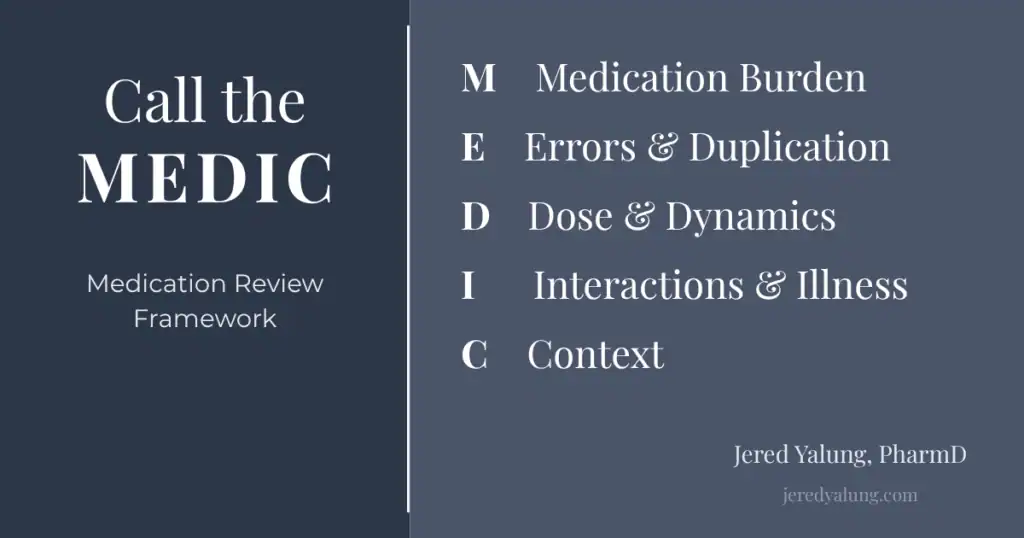
Before anyone accepts a memory screen score at face value, it’s worth remembering how often medications are pulling that number down. That’s why I started doing what I call calling the MEDIC:
- Medication burden
- Errors and duplication
- Dose and dynamics
- Interactions and illness
- Context
Work through those five and you’ll often recover several points on a re-screen within a few weeks. Treating a score before you’ve looked at the medications risks a premature diagnosis and a lot of avoidable harm.
The short version
Before you accept a “borderline dementia” label, look at the medication list. Anticholinergics, sedatives, and quiet duplications can knock 4 to 5 points off a memory screen, and that’s often fixable. Review the medications first using the MEDIC framework below, optimize them with the doctor, then re-test in four to six weeks. You may avoid a diagnosis that was never really there and get your loved one back.
Calling the MEDIC
M, Medication burden
We all know someone on fifteen or more medications, but how often does anyone actually stop and add up what that’s doing? When I go through a list, I’m hunting for the dangerous combinations, the kind where an anticholinergic gets layered on top of a sedative. I see diphenhydramine (Benadryl) or some other over-the-counter sleep aid stacked with a muscle relaxer, a bladder medication, a benzodiazepine, an opioid. Any one of them might be fine on its own. Together they’re a cognitive wrecking ball. The first step is just to tally the burden and figure out what could be tapered or swapped.
E, Errors and duplication
In older adults it’s common to see several doctors writing scripts across several pharmacies. Systems are getting better at catching overlap, but plenty still slips through. I’ve found people taking two different drugs for the same condition without knowing it, as-needed medications that quietly became daily ones, and combination products with hidden ingredients, like Tylenol PM, which is acetaminophen plus diphenhydramine that nobody thinks of as a sleep aid. Bring every bottle to one appointment and duplications surface that no single prescriber would have caught.
D, Dose and dynamics
Kidneys and liver change with age, and the dose that worked at 60 can be too much at 85. I see it constantly with blood pressure medications. A tight target that made sense at 30 causes lightheadedness and falls at 80, and instead of questioning the dose we write it off as getting older. Timing matters too. If someone takes a sedating drug at night and gets tested the next morning, the screen is measuring the drug, not their actual baseline.
I, Interactions and illness
The body is always working to stay in balance. Medications have the effects we want and the ones we don’t, and when drugs fight each other or pile on in the wrong direction, the body can’t keep up. I also look at what’s happening right now. Is there a UTI being treated? Steroids on board for inflammation? Even a short illness can tank cognitive performance for a while. Sometimes what looks like dementia is delirium from an untreated infection or a bad interaction.
C, Context
Where and when the test happens matters more than people think. Is the person dehydrated, short on sleep, low on blood sugar? Did they eat breakfast? Are their hearing aids in and their glasses on? I’ve watched scores jump 4 or 5 points just from re-testing under better conditions: rested, fed, hydrated, sensory aids in place. Before we label someone, we owe it to them to test their brain and not their circumstances.
A clinical note
When I’m weighing anticholinergic burden, I lean on the Anticholinergic Cognitive Burden (ACB) scale and cross-check the AGS Beers Criteria. The high-burden offenders (ACB 3) include diphenhydramine, oxybutynin, and the tricyclic antidepressants. Even moderate-burden drugs add up fast once they’re sitting next to a sedative.
Medications that can pull a memory score down
If your loved one takes two or more from this list, a review is worth it.
Anticholinergics:
- Diphenhydramine (Benadryl, Tylenol PM, Advil PM)
- Oxybutynin (Ditropan) or tolterodine (Detrol) for overactive bladder
- First-generation antihistamines like chlorpheniramine and hydroxyzine
- Tricyclic antidepressants like amitriptyline and nortriptyline
Sedatives:
- Benzodiazepines: alprazolam (Xanax), lorazepam (Ativan), diazepam (Valium)
- Sleep medications: zolpidem (Ambien), eszopiclone (Lunesta)
- Muscle relaxers: cyclobenzaprine (Flexeril), methocarbamol (Robaxin)
Other common culprits:
- Gabapentin and pregabalin (Lyrica), especially at higher doses
- Opioid pain medications, particularly the long-acting ones
- Paroxetine (Paxil), a strongly anticholinergic antidepressant
A lot of these are over the counter or hidden inside combination products. Families rarely realize a “PM” pill is delivering one of the most potent memory-affecting anticholinergics there is, every single night.
When “confused” was really over-medicated
This client came to us backwards. He was moving from assisted living back home, which is the opposite of how it usually goes. I’ve always believed in keeping people at the lowest level of care that’s safe for as long as possible and stepping up only when they truly need it, and sometimes people land in a higher level of care by accident. This was one of those.
In assisted living, someone else manages the medications. At home, you’re on your own. When he was discharged, the facility handed the family a trash bag full of medications and a printed list, and that was it.
At the intake visit I sat down with the family at the dining room table and we sorted through all of it. Why is he taking this one? What’s this for? They started pulling out bottles they’d kept from home, medications that had never been stopped, just added to. We counted past forty-five medications.
The family was shaken. Maybe moving home was a mistake. He’s so confused, he sleeps all day, he isn’t himself. I looked at the list and saw the usual suspects: diphenhydramine, alprazolam, gabapentin three times a day, oxybutynin for his bladder, and three different blood pressure medications.
They took the whole bag to their primary care doctor with a list of questions. The doctor cut the duplicates, lowered some doses, and dropped the unnecessary sedatives. A few weeks later the family called me. “Dad is with it again.”
He never needed assisted living. He needed a medication review.
What to bring to any memory evaluation
If a memory screen or cognitive evaluation is coming up, don’t just show up with worry. Show up with information.
Every medication, and I mean every one. Bring the actual bottles, not a typed list: prescriptions (including the ones they supposedly don’t take anymore), over-the-counter pills, vitamins, supplements, and that occasional cream or eye drop. If there’s more than one pharmacy, bring from all of them.
A 30-day snapshot. Keep a simple log for the month before: missed or confused doses, new side effects like falls or dizziness or sleep changes, and any medication changes. That’s context the provider has no other way to get.
Recent vital signs, if you have them. Blood pressure (seated and standing if you can), blood sugar logs, weight trends if heart failure is in the picture.
Hearing aids and glasses. This sounds obvious, and I’ve still seen plenty of screens run without them. The test depends on hearing the instructions and seeing the prompts. Fresh batteries, clean lenses.
Notes on sleep, hydration, and timing. When was the last good night’s sleep? Are they eating and drinking enough? Did they take a sedating medication that morning? A tired, dehydrated person still foggy from last night’s sleep aid will score badly even if their memory is fine.
Before you panic about a score
A memory screen is a tool, not a verdict. It flags a concern. It doesn’t diagnose dementia. If the number comes back lower than you hoped, take a breath and call the MEDIC: review the burden, check for errors and duplication, look at dose and dynamics, weigh interactions and illness, and account for context. Fix what you can with the doctor, then re-screen in four to six weeks under better conditions. The numbers have a way of climbing.
Common questions
Can medications really cause false dementia symptoms?
Yes. Anticholinergic and sedative medications can drop a memory score by 4 to 5 points or more, looking exactly like cognitive decline. The difference is that medication-related confusion is reversible once the burden comes down.
How fast do scores improve after adjusting medications?
Usually within two to six weeks. Better alertness and less confusion can show up in days, but the test scores themselves tend to need a month or so to catch up.
Should I stop medications before a memory test?
Never stop a medication on your own. Stopping some drugs abruptly, especially benzodiazepines, antidepressants, or blood pressure medications, can be dangerous. Bring the full list to the appointment and ask about optimizing it instead.
What’s the most common culprit you see?
Diphenhydramine (Benadryl). It’s hiding in dozens of over-the-counter sleep aids, allergy pills, and “PM” products, and families rarely realize they’re giving a potent anticholinergic every night. Oxybutynin for overactive bladder is a close second.
They’ve been on these for years. Why is it a problem now?
Aging changes how the body handles medications. Kidney and liver function decline and drugs build up more easily, so something that was safe at 65 can cause trouble at 85. On top of that, the list usually grows over the years, and the combined burden climbs even if no single dose changed.
Will insurance cover a medication review?
At Options Home Care we include a complimentary medication review as part of our intake, no insurance needed. For formal medication therapy management, many Medicare Part D plans cover a pharmacist consultation, so it’s worth checking your plan.
What if the doctor says the medications are necessary?
Sometimes they are, and the goal was never to strip the list bare. It’s to optimize it. There are often lower-burden alternatives worth discussing, like mirabegron instead of oxybutynin, or trazodone instead of diphenhydramine for sleep. A good pharmacist can help you find the safer swap to bring to the prescriber.
Can a home care agency really help with medication issues?
Most can’t. We can, because we’re pharmacist-owned. Our caregivers are trained to spot the red flags, and I review the medication list personally at intake. We can’t change a prescription, but we can give families the right questions to take to the doctor.
If you’re in the Greensboro or Burlington area and want a second set of eyes on a loved one’s medication list, get in touch. It’s what we do.